
Identity Theft Restoration Steps to Take After Becoming a Victim
페이지 정보
작성자 Nicholas Hackne… 작성일26-07-11 05:53 조회2회 댓글0건관련링크
본문
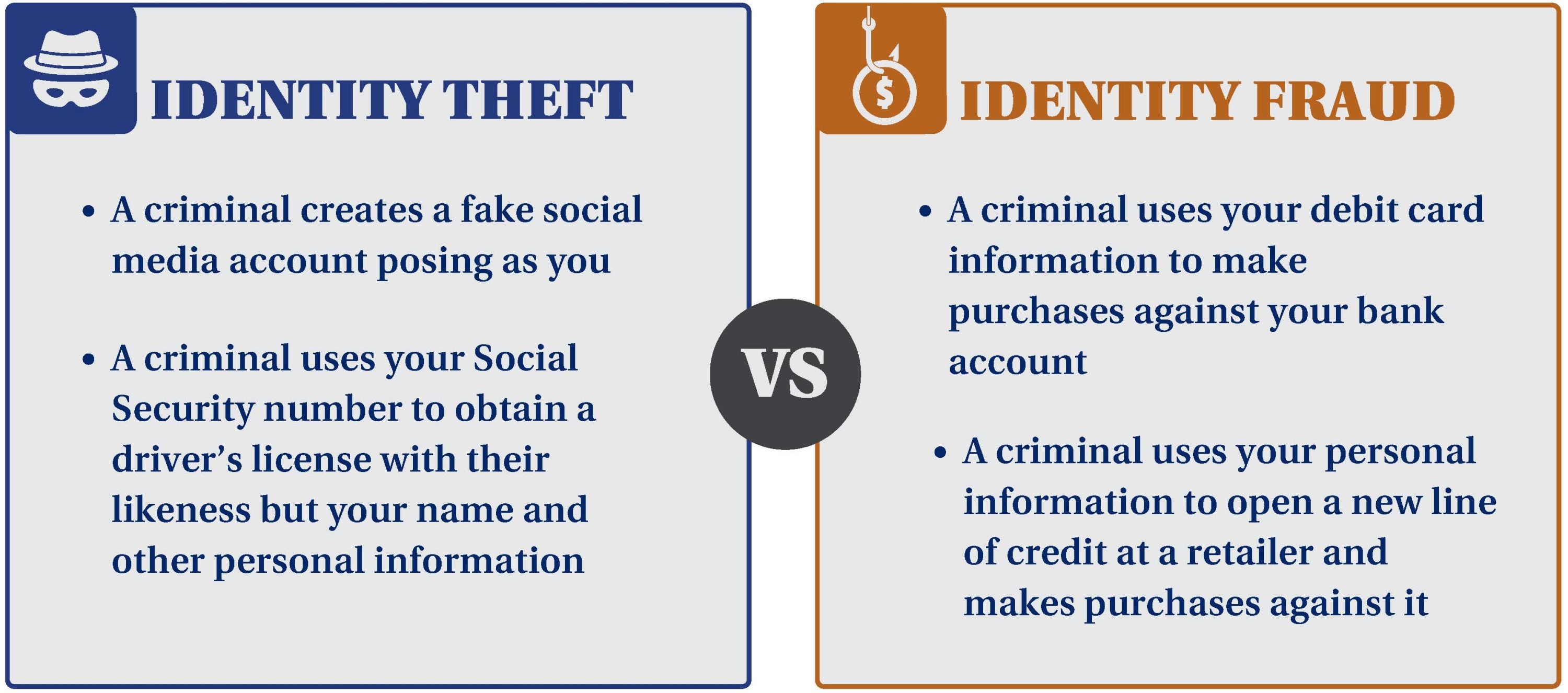
Imagine this: you wake up one morning to find that your bank account has been drained, multiple credit cards are opened in your name, and your credit score has plummeted overnight. The sheer panic sets in as you realize you have become a victim of identity theft. This scenario is more common than you might think, and it's a nightmare that can happen to anyone. Understanding the immediate steps to take after such an event can help you regain control and restore your financial security.
Identity theft can feel overwhelming, but with the right knowledge and resources, you can navigate the restoration process effectively. This article provides actionable steps to take if you find yourself in this unfortunate situation, empowering you to protect your personal and financial information against fraud. additional reading
Recognizing Identity Theft: Signs to Look For
The first step in dealing with identity theft is recognizing the signs. Common indicators include unfamiliar transactions on your bank statements, receiving bills for services you didn't sign up for, or being denied credit unexpectedly. Additionally, if you notice unusual activity on your credit report, it's crucial to act swiftly. Regularly reviewing your financial accounts can help you spot these discrepancies early.
Once you suspect that you've been targeted, the next step is to gather evidence. Document any suspicious transactions, contact your financial institutions, and take notes on conversations you have regarding the matter. This record will be invaluable as you work through the restoration process.

Immediate Actions to Take Following Identity Theft
If you confirm that your identity has been stolen, it is essential to take immediate action. Begin by contacting your bank and credit card companies to report the fraudulent activity. Most institutions have dedicated fraud departments that can assist you in freezing accounts and disputing unauthorized charges. This step is critical in preventing further financial loss.
Next, place a fraud alert on your credit file by contacting one of the three major credit bureaus: Equifax, Experian, or TransUnion. Once you notify one bureau, they are required to inform the others. A fraud alert makes it harder for identity thieves to open accounts in your name, giving you time to recover.
Additionally, consider placing a credit freeze on your accounts. This prevents any new creditors from accessing your credit report while the freeze is in effect. To lift the freeze, you'll need a PIN or password provided by the credit bureau. UptrendCredit
Using Identity Theft Protection Services
Identity theft protection services can play a significant role in restoration and prevention. These services monitor your credit activity, alert you of any suspicious behavior, and assist in the recovery process. Some of the best identity theft protection options offer features like identity theft insurance, which can reimburse you for losses incurred due to identity theft.

Many programs also provide assistance in managing disputes with creditors and law enforcement. For example, a comprehensive service may guide you through the process of obtaining a police report and communicating with your creditors. However, it's important to research different providers to find the service that best fits your needs.
How to Restore Your Credit Score After Identity Theft
After dealing with identity theft, your credit score is likely to take a hit. Here are some steps to help restore it:
- Review Your Credit Report: Obtain free copies of your credit reports from all three bureaus. Look for inaccuracies or fraudulent accounts.
- Dispute Errors: File disputes for any inaccuracies you find in your credit report. Each bureau has a process to contest errors, which may involve providing documentation.
- Make Payments on Time: Re-establish good credit habits by paying your bills on time. Timely payments significantly contribute to improving your credit score.
Restoring your credit score is a gradual process that requires diligence. You will need to consistently monitor your credit activities and remain proactive to ensure your identity remains safeguarded.
Preventing Future Identity Theft
Prevention is your best defense against identity theft. Here are several strategies to implement: how can you protect yourself from identity theft online
- Use strong, unique passwords for your online accounts, and change them regularly.
- Enable two-factor authentication wherever possible for added security.
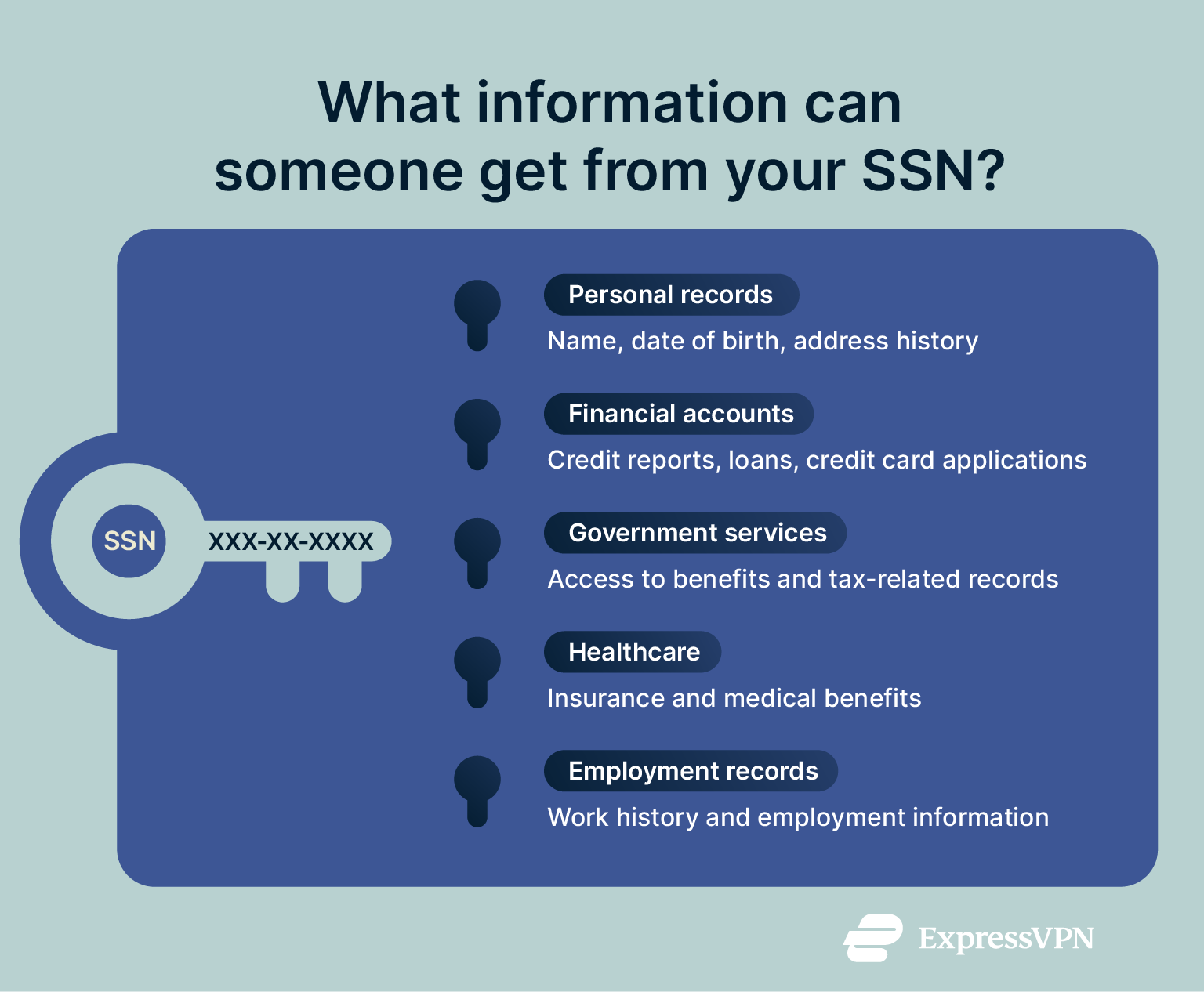
- Be cautious about sharing personal information online and limit social media exposure.
- Regularly check bank statements and credit reports for unauthorized activity.
By integrating these practices into your daily routine, you can significantly reduce your risk of falling victim to identity theft a second time.
Emotional and Psychological Impact of Identity Theft
The aftermath of identity theft can take a toll on your emotional and psychological well-being. The anxiety of financial uncertainty and fear of further fraud can be debilitating. It's essential to acknowledge these feelings and seek support when necessary. Consider talking to a counselor or joining a support group for victims of identity theft.
Moreover, sharing your experience with friends and family can also provide emotional relief, as you may find others who have gone through similar situations. Connect with trusted individuals who can help you process the stress and anxiety that often accompany identity theft.
Conclusion: Your Path to Recovery and Protection
Dealing with the aftermath of identity theft can be challenging, but understanding the steps to take can help restore both your financial and emotional well-being. From recognizing the signs and taking immediate action to utilizing identity theft protection services and practicing preventative measures, you have the tools to regain control of your life.
As you move forward, remember to stay vigilant and proactive in managing your personal information. By doing so, you protect not only your finances but also your peace of mind. If you find yourself in a situation where identity theft occurs, these steps will serve as a valuable roadmap towards recovery.
Frequently Asked Questions about Identity Theft Restoration
What should I do first if I suspect identity theft?
The first step is to contact your bank and credit card companies to report any fraudulent activities. Then, place a fraud alert on your credit report by contacting one of the three major credit bureaus to prevent further unauthorized access.
How much does identity theft protection cost?
The cost of identity theft protection services varies widely, ranging from $10 to $30 per month, depending on the features offered. Some services include monitoring, insurance, and recovery assistance.
Can I recover my credit score after identity theft?
Yes, you can recover your credit score by disputing inaccuracies on your credit report, making timely payments, and monitoring your credit regularly. It takes time, but consistent effort will yield results.
Is it safe to provide my Social Security number online?
It is generally unsafe to provide your Social Security number online unless you are on a secure and trusted website. Always verify the legitimacy of the website and the necessity of providing such sensitive information.
What happens if I don't take action after identity theft?
If you don't take action, the repercussions can be severe. Unresolved identity theft can lead to ongoing financial losses, legal issues, and more significant damage to your credit score, making recovery more difficult.
댓글목록
등록된 댓글이 없습니다.