
How to Safeguard Your Medical Identity from Fraud
페이지 정보
작성자 Hans 작성일26-07-11 03:03 조회2회 댓글0건관련링크
본문
Imagine receiving a phone call from your doctor's office, only to discover that your personal information has been used to obtain medical services you never authorized. This unsettling scenario is becoming more common as identity theft, particularly medical identity theft, continues to rise. Understanding how this theft occurs and knowing the steps to protect yourself can make a significant difference in safeguarding your medical identity.
In today's digital world, where personal and financial information is often stored and shared online, the threat of identity theft looms large. Fraudsters are increasingly sophisticated, targeting unwary individuals and families. However, by implementing proactive measures and remaining vigilant, you can significantly reduce your risk of becoming a victim. Here's how to protect yourself from identity theft and safeguard your medical identity. https://www.homeremediesblog.com/question/step-by-step-guide-to-filing-a-police-report-for-identity-theft-2/
Understanding How Does Identity Theft Happen
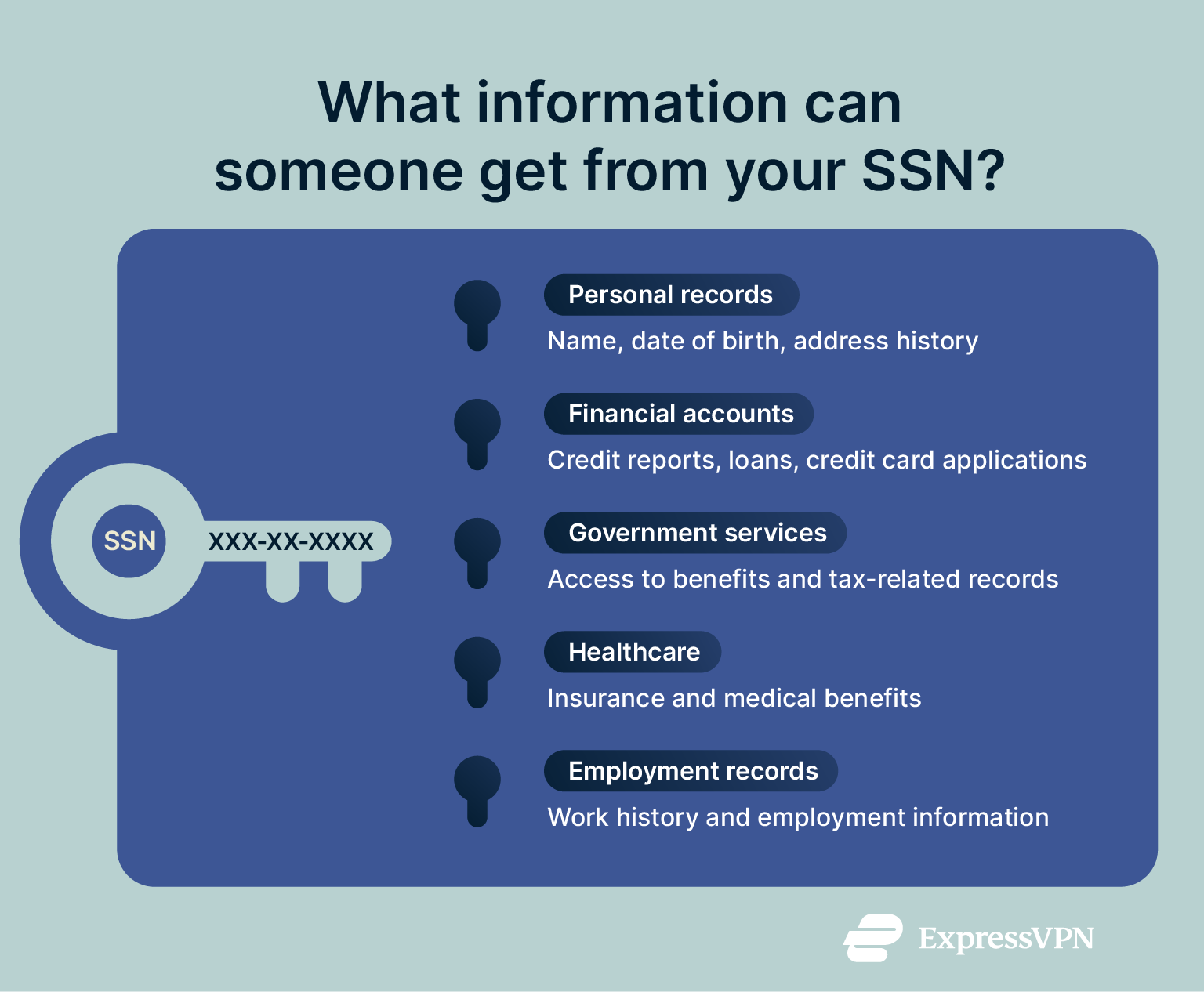
Identity theft occurs when someone uses your personal information without your permission, often to commit fraud. It can happen in various ways, including online scams, data breaches, or even physical theft of documents. For instance, a data breach at a healthcare provider might expose thousands of patient records, giving criminals access to sensitive information like social security numbers and insurance details.
The first step in preventing identity theft is understanding the tactics used by fraudsters. They often rely on social engineering tactics, which involve manipulating individuals into divulging confidential information. This could be through phishing emails that appear legitimate or phone calls that seem trustworthy. Knowing these tactics can help you stay alert.
How Can You Protect Yourself from Identity Theft Online
With the rise of digital transactions, ensuring your online security is paramount. Here are several effective strategies you can implement:

Use Strong Passwords: Create complex, unique passwords for different accounts and change them regularly.
Enable Two-Factor Authentication: This adds an extra layer of security by requiring a second form of verification.
Monitor Your Accounts: Regularly check your bank and credit card statements for unauthorized transactions.
Educate Yourself About Phishing Scams: Be cautious of unsolicited emails and messages asking for personal information.
By taking these steps, you can significantly reduce your risk of falling victim to identity theft online. For example, using a password manager can help you generate and store strong passwords, making it easier to maintain your online security.
10 Ways to Protect Yourself from Identity Theft
In addition to online measures, there are several essential practices you should adopt to protect your entire identity: identity theft protection services
1. Shred Personal Documents: Before disposing of documents featuring sensitive information, ensure you shred them to prevent unauthorized access.

2. Use Secure Wi-Fi Networks: Avoid accessing sensitive information over public Wi-Fi. Use a virtual private network (VPN) for added protection.
3. Keep Personal Information Private: Be mindful of what you share on social media, as fraudsters can exploit this information.
4. Regularly Review Your Credit Reports: Check your credit reports for any signs of unauthorized accounts or inquiries.
5. Be Cautious with Medical Information: Ensure that your healthcare providers securely handle and share your medical records.
6. Use Credit Monitoring Services: Utilize services that alert you to any unusual activity on your credit report.
7. Place a Fraud Alert on Your Credit Report: This makes it harder for identity thieves to open accounts in your name.

8. Consider a Credit Freeze: This will prevent anyone from accessing your credit report without your permission.
9. Know Your Rights: Familiarize yourself with the Fair Credit Reporting Act and your rights regarding identity theft. UptrendCredit
10. Report Identity Theft Promptly: If you suspect identity theft, report it to the authorities immediately.
Recognizing the Signs of Identity Theft
Being proactive means knowing the signs of identity theft before it escalates further. Common indicators include unexpected charges on your credit card, unfamiliar accounts listed on your credit report, or receiving bills for services you never used. If you notice any of these signs, it's crucial to take immediate action.
For instance, if you discover an account you didn't open, contact the lender or company right away. This will help you mitigate the damage and potentially recover losses. In addition, reporting the incident to the Federal Trade Commission can help in tracking patterns of identity theft.
Protecting Your Medical Identity: Best Practices
Medical identity theft can lead to significant financial and health-related consequences. Here are some best practices to safeguard your medical identity:
Always ask healthcare providers how they protect your personal information and whether they use secure systems for storing and sharing records. Additionally, be wary of unsolicited calls regarding your health insurance or medical services. Legitimate entities will not ask for sensitive information over the phone.
"Taking proactive steps to secure your personal information can prevent the distress and financial burden associated with identity theft."
Furthermore, consider enrolling in identity theft protection services that provide monitoring and recovery assistance. These services can alert you to potential threats and help you respond quickly if your medical identity is compromised.
Conclusion: Restoring Peace of Mind
Safeguarding your medical identity from fraud requires vigilance and proactive measures. By understanding how identity theft occurs, recognizing the signs, and implementing effective preventive strategies, you can protect your personal and financial information. Remember, the sooner you act when you notice suspicious activity, the better your chances of mitigating the damage. Your health and security are paramount, and taking these steps will help restore your peace of mind.
Frequently Asked Questions
How long does it take to recover from medical identity theft?
Recovering from medical identity theft can take several months to years, depending on the extent of the fraud and your actions. Prompt reporting and monitoring can expedite the process.
How much does credit monitoring cost?
The cost of credit monitoring services can vary widely, with some offering basic services for free while others charge monthly fees ranging from $15 to $30 for more comprehensive plans.
Is it safe to share my Social Security number with my doctor?
While healthcare providers often require your Social Security number for billing purposes, ensure they have secure systems in place before sharing such sensitive information.
What happens if my medical identity is stolen?
If your medical identity is stolen, fraudulent claims may be submitted in your name, potentially affecting your medical history and credit score. It's crucial to report any incidents immediately.
Will a credit freeze affect my credit score?
No, placing a credit freeze does not affect your credit score. It merely prevents others from accessing your credit report without your permission.
What should I do if I suspect identity theft?
If you suspect identity theft, report it to the FTC, place a fraud alert on your credit report, and contact your financial institutions to secure your accounts.
댓글목록
등록된 댓글이 없습니다.