
Understanding Identity Theft: How to Recognize and Prevent It
페이지 정보
작성자 Fredric 작성일26-07-11 03:14 조회2회 댓글0건관련링크
본문
Imagine waking up one day to find that your bank account is drained, your credit cards have been maxed out, and someone has taken out loans in your name. This scenario is a harsh reality for many victims of identity theft, a crime that can devastate your financial well-being and emotional peace of mind. Understanding what identity theft is, how it occurs, and the warning signs can help you safeguard your personal information and take proactive measures against this growing threat.
As identity theft becomes increasingly sophisticated, it's essential to recognize the methods thieves use to steal your information. This article will provide a comprehensive overview of identity theft, its common causes, red flags to watch for, and practical steps you can take to protect yourself and your family. UptrendCredit
What Is Identity Theft and How Does It Happen?
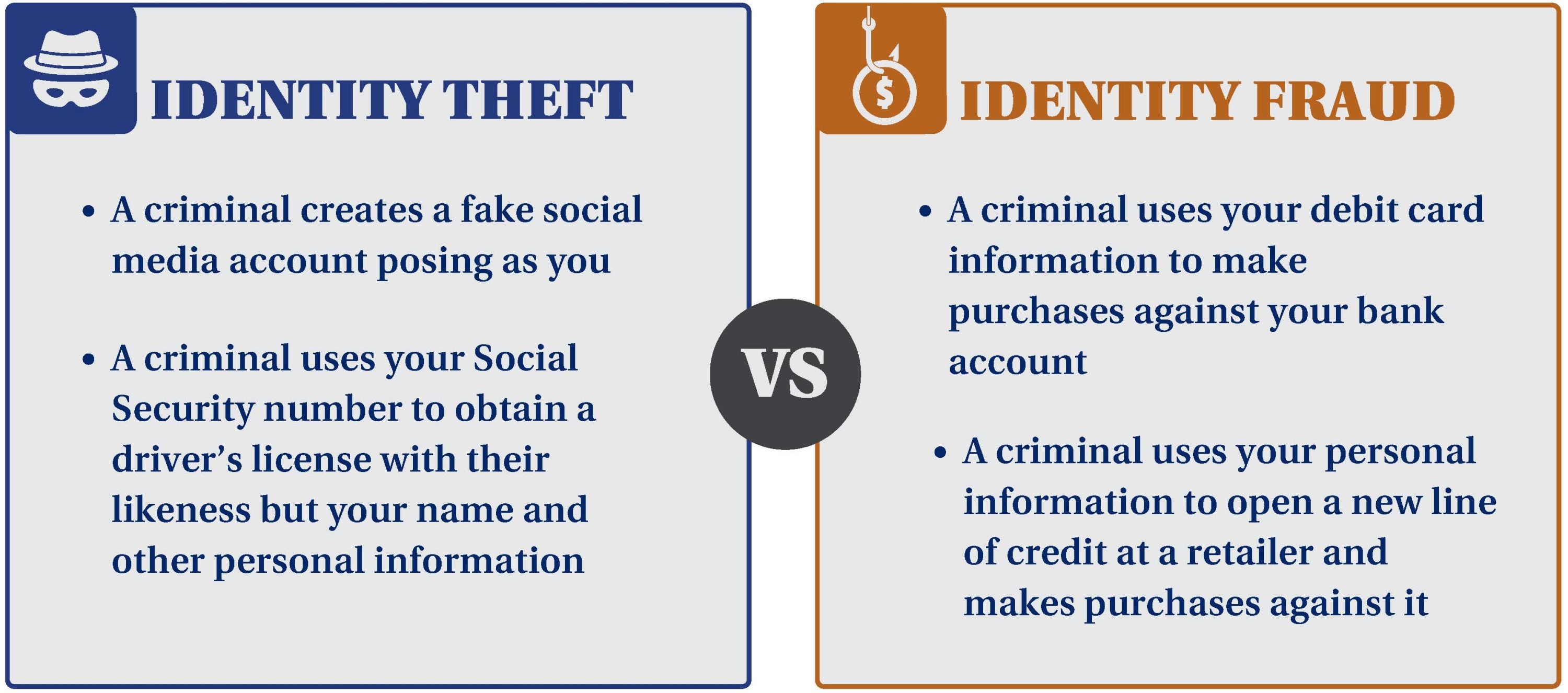
Identity theft occurs when someone unlawfully obtains and utilizes your personal information, such as your name, social security number, or credit card details, often for financial gain. Thieves may access this information through various means, including data breaches, phishing scams, or even physical theft of personal items like wallets and documents.
According to the Federal Trade Commission (FTC), identity theft can manifest in several ways, including:
- Credit card fraud
- Bank fraud
- Social security identity theft
- Medical fraud
- Employment fraud
Understanding how identity theft occurs can help you identify vulnerabilities in your life. For instance, unsuspecting individuals may share sensitive information over the phone or through unsecure websites, making it easier for thieves to steal their identities.
Red Flags: How to Spot Identity Theft Early
Being vigilant about your financial health is crucial in detecting identity theft early. Here are some common red flags to look out for:
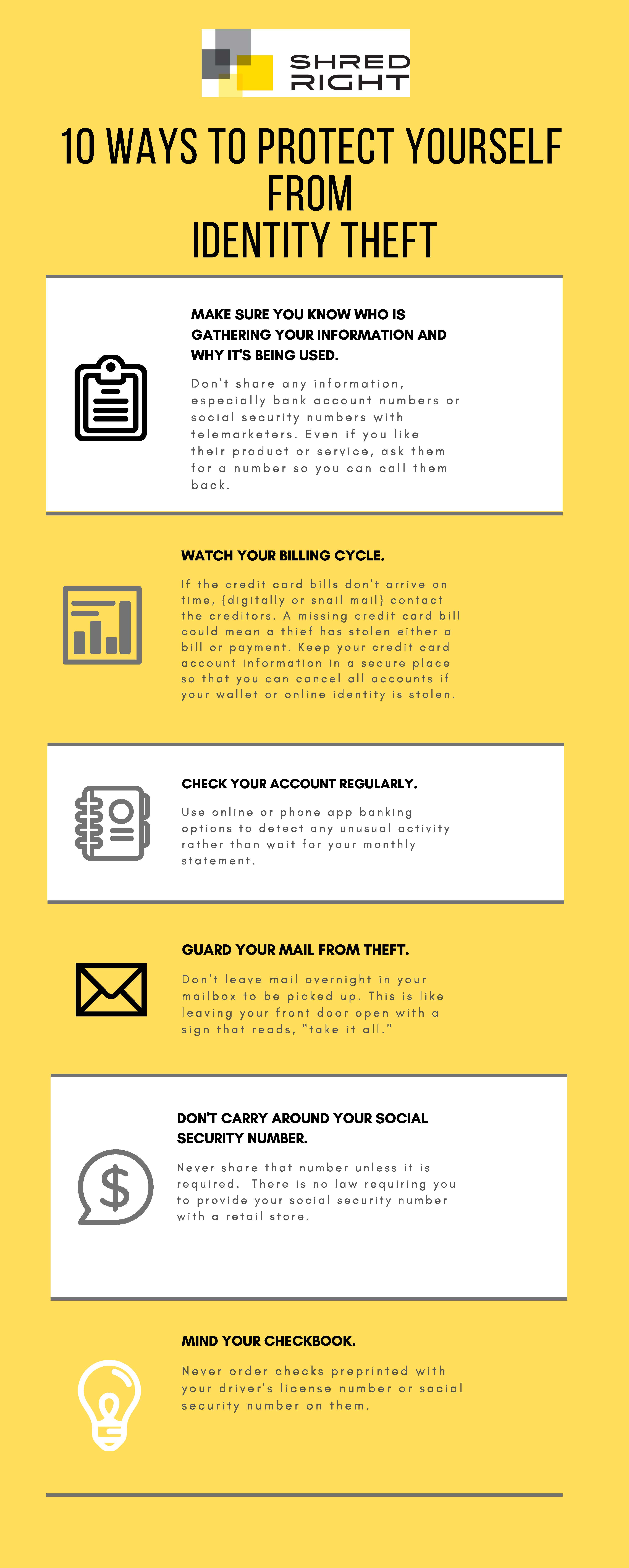
1. Unexplained Charges on Accounts
One of the most immediate signs of identity theft is discovering unfamiliar charges on your credit card or bank statements. Always review your statements thoroughly each month to catch any suspicious activity. If you spot a charge you don't recognize, contact your bank or credit card issuer immediately.
2. Sudden Drop in Credit Score
A sudden and unexplained drop in your credit score can indicate identity theft. For instance, if your score plummets due to late payments on accounts you didn't open, it might be a sign that someone is misusing your information. Regularly checking your credit score can help you stay aware of any sudden changes.
3. Missing Bills or Statements
If you notice that bills or statements are no longer arriving in the mail, it could indicate that someone has changed your billing address without your knowledge. This is a classic tactic used by identity thieves to cover their tracks. Keep track of when your bills are due and report any discrepancies to the respective companies.
4. Receiving Unsolicited Credit Cards
If you start receiving credit cards or loans you didn't apply for, this is a clear sign of potential identity theft. Thieves often open accounts in your name, and the sooner you identify these accounts, the easier it will be to mitigate the damage.
How to Prevent Identity Theft Effectively
Preventing identity theft requires a proactive approach to safeguarding your personal information. Here are some effective strategies you can implement:

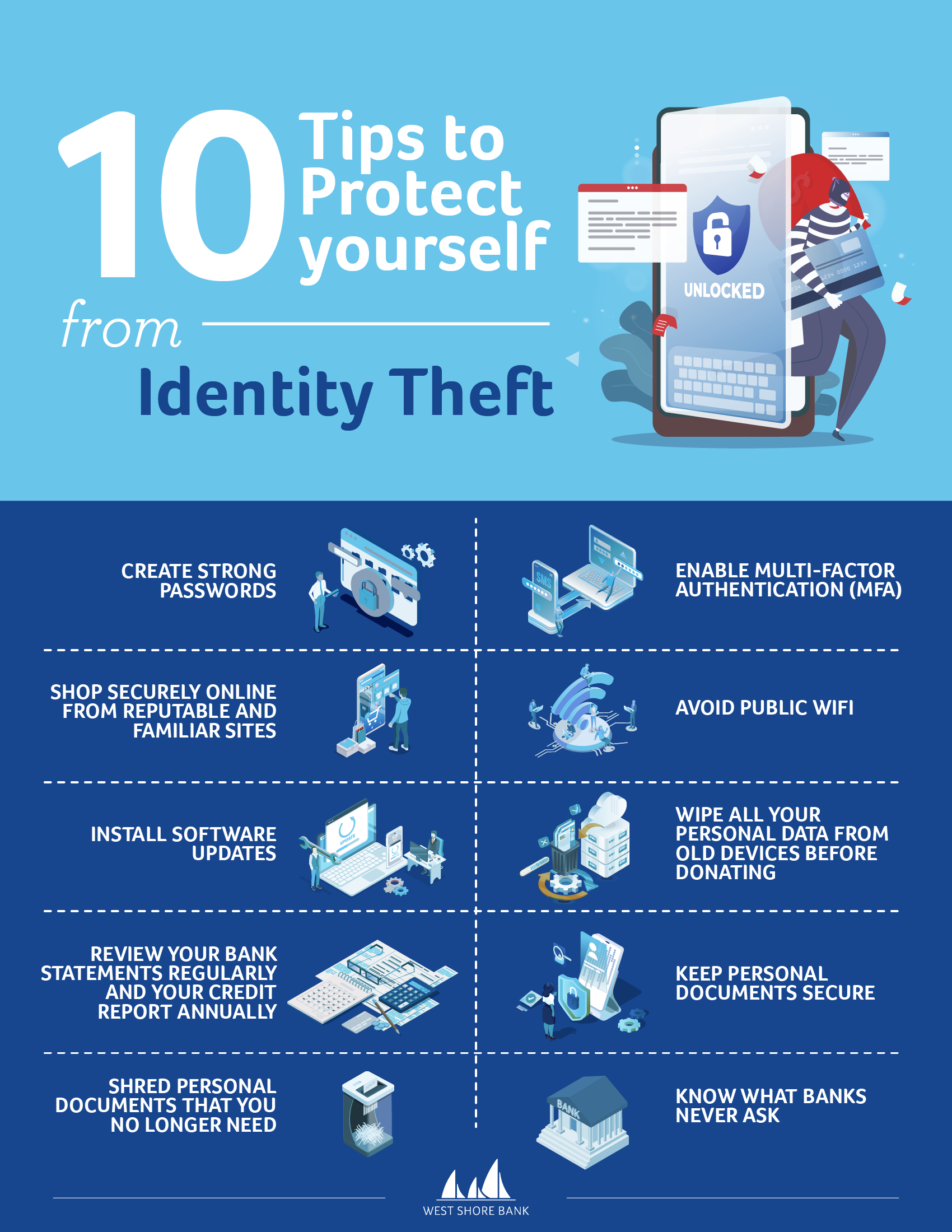
1. Use Strong Passwords and Two-Factor Authentication
Always use strong, unique passwords for your online accounts, combining letters, numbers, and special characters. Implementing two-factor authentication adds an additional layer of security, making it harder for thieves to access your accounts even if they have your password. http://controlcenter.kr/bbs/bbs/board.php?bo_table=free&wr_Id=155067
2. Monitor Your Accounts Regularly
Regularly monitoring your bank accounts, credit cards, and credit reports can help you catch signs of identity theft early. Consider using a reliable credit monitoring service to receive alerts about changes to your credit report. Understanding what is credit monitoring and how it works will empower you to take control of your financial health.
3. Shred Personal Documents
To protect your information, make it a habit to shred any paperwork that contains sensitive information before disposing of it. This includes bank statements, credit card offers, and any documents containing your social security number.
4. Be Cautious with Personal Information Online
Be wary of sharing personal information online, especially on social media platforms. Thieves often use publicly available data to impersonate you or to answer security questions. Consider limiting the information you share and adjusting your privacy settings on social media.
Understanding Social Security Identity Theft: How Can It Occur?
Social security identity theft occurs when a thief uses your social security number (SSN) to commit fraud, such as opening accounts or applying for loans. This type of theft can happen in various ways, including:
- Data breaches where your SSN is exposed
- Phishing emails that trick you into providing your SSN
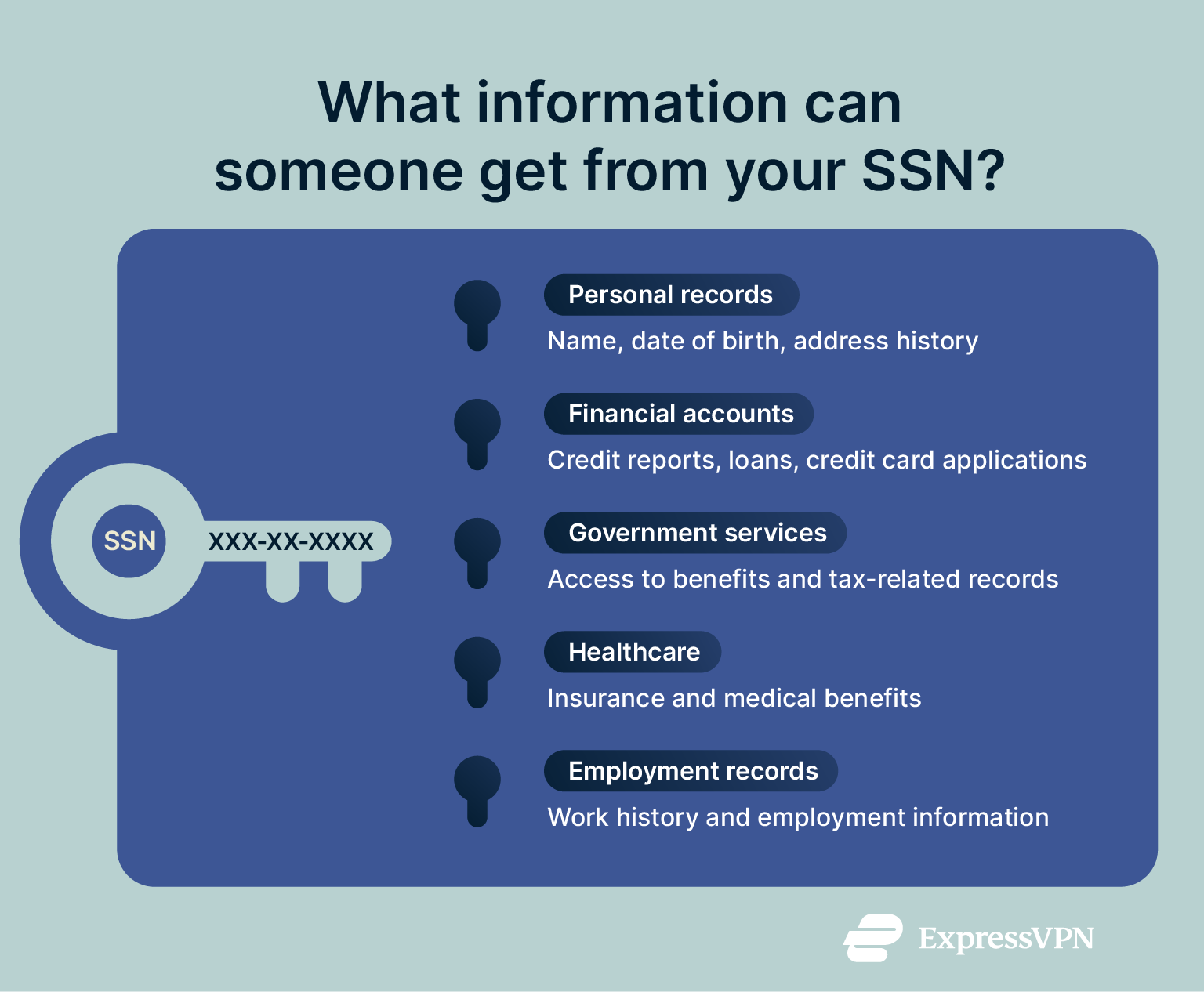
- Physical theft of documents containing your SSN
To protect yourself from social security identity theft, consider keeping your social security card in a secure location rather than your wallet, and only provide your SSN when absolutely necessary.
Steps to Take if You Become a Victim of Identity Theft
Despite your best efforts, you may still fall victim to identity theft. If that happens, follow these steps to mitigate the damage:
First, report the theft to the Federal Trade Commission (FTC) at IdentityTheft.gov. They will provide you with a recovery plan tailored to your situation. UptrendCredit.com
Next, contact your bank and any creditors involved to inform them of the identity theft. They may help freeze your accounts and investigate unauthorized transactions.
Finally, consider placing a fraud alert or credit freeze on your credit reports to prevent further fraudulent accounts from being opened.
Pros and Cons of Using Credit Monitoring Services
When it comes to safeguarding your financial information, utilizing credit monitoring services can be a valuable tool. However, there are both pros and cons to consider:
Pros:
- Real-time alerts: Credit monitoring services can notify you of changes to your credit report, helping you catch identity theft early.
- Credit score tracking: Many services provide insights into your credit score and factors affecting it, enhancing your understanding of your financial health.
- Identity theft protection: Some services offer identity theft insurance or recovery assistance if your information is compromised.
Cons:
- Cost: While some services are free, many charge a monthly fee, which can add up over time.
- False alarms: Sometimes, credit monitoring can trigger alerts for changes that are not necessarily indicative of identity theft, leading to unnecessary stress.
- Not foolproof: Credit monitoring can help catch some issues, but it cannot prevent identity theft. Therefore, it should be used in conjunction with other protective measures.
Practical Takeaways for Protecting Your Identity
The key to preventing identity theft is education and vigilance. By understanding how identity theft occurs, recognizing the warning signs, and implementing effective prevention strategies, you can safeguard your personal information. Regularly monitoring your accounts and utilizing credit monitoring services can provide an extra layer of protection. Additionally, knowing what steps to take if your identity is compromised can help you mitigate the damage and restore your peace of mind.
Identity Theft FAQ
How long does it take to recover from identity theft?
The recovery process from identity theft can vary significantly based on the severity of the situation. It may take a few weeks to several months to resolve fraud issues and restore your credit.
How much does credit monitoring cost?
The cost of credit monitoring services can range from free to around $30 per month, depending on the features offered. Consider comparing services to find one that fits your needs and budget.
Is identity theft safe for my family?
Identity theft can pose risks not only to individuals but also to families. Thieves often target family members with shared information. It's crucial to teach family members about safety measures to protect their identities.
What happens if my identity is stolen?
If your identity is stolen, it's critical to report it immediately to the FTC and your financial institutions. Prompt action can help mitigate financial losses and protect your credit.
Credit monitoring vs. identity theft protection - which should I choose?
While credit monitoring alerts you to changes in your credit report, identity theft protection services offer broader services, including recovery assistance. Depending on your needs, you may opt for one or both services.
댓글목록
등록된 댓글이 없습니다.