
A Guide to Native American Casinos in the USA
페이지 정보
작성자 Rafaela 작성일26-06-28 14:52 조회9회 댓글0건관련링크
본문
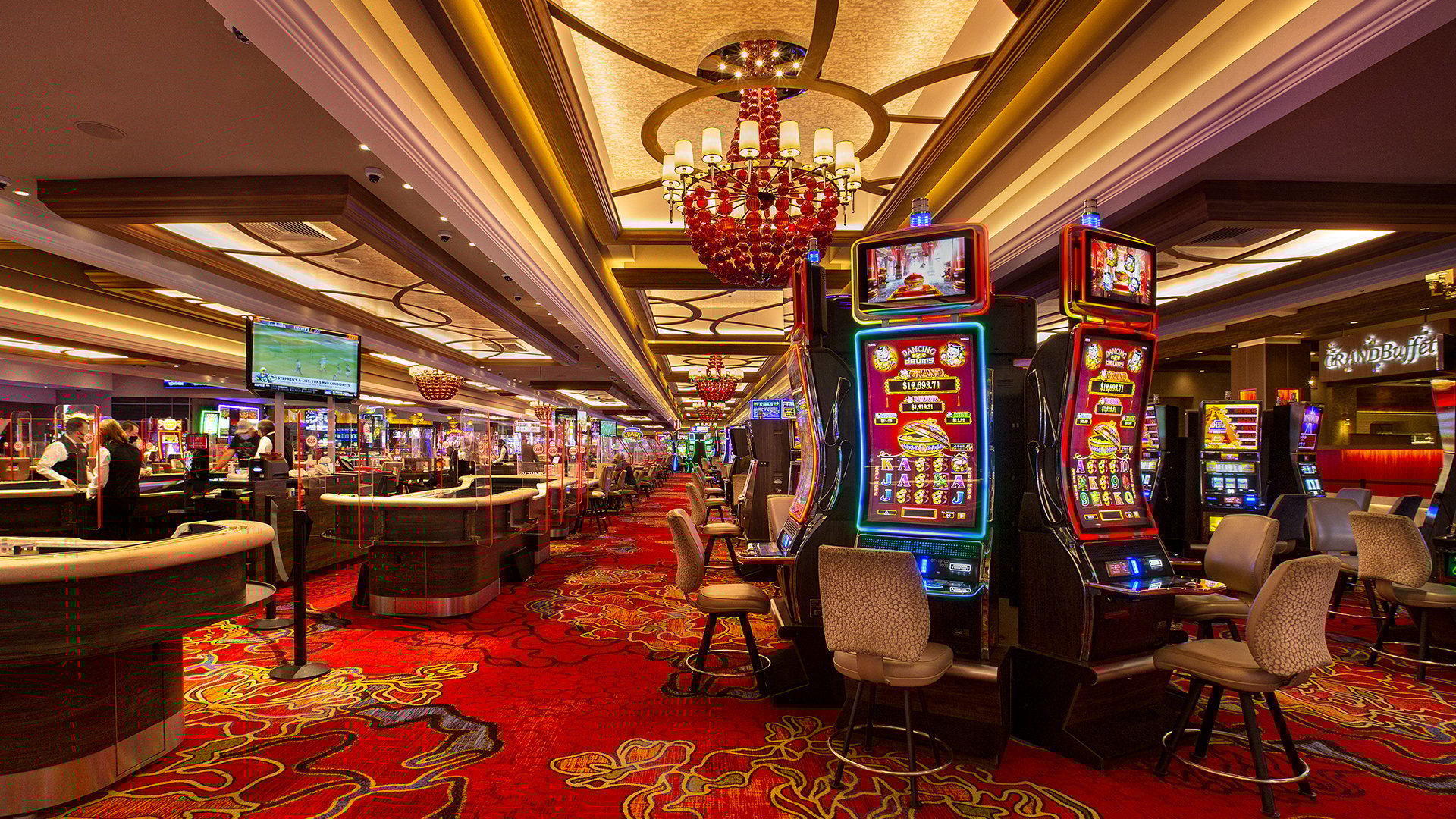
While Nevada is famous globally, the vast majority of physical casino locations in the United States are actually located on tribal lands.
Understanding the history of these venues is crucial for understanding the modern landscape of American gambling.
How Tribal Casinos Became Legal
The primary goal of the IGRA was to promote tribal economic development, self-sufficiency, and strong local governments.
Class III gaming includes full-scale casino gambling (slot machines, blackjack, roulette) and requires the tribe to negotiate a complex 'compact' with the state government.
- Many tribes use casino profits to build massive infrastructure projects, funding local schools, state-of-the-art hospitals, and vital housing developments
- Some tribes distribute a portion of the net gaming revenues directly to individual tribal members in the form of regular 'per capita' payments
- The success of these resorts has completely transformed the economic reality for several formerly impoverished Native American communities
Why Tribal Slot Machines Sometimes Feel Different
A common complaint from tourists is that the slot machines in certain tribal casinos feel 'weird' or behave unexpectedly.
In a true Class III Vegas slot machine, an internal Random Number Generator determines the outcome of your spin the exact millisecond you press the button.
| Gaming Class | Game Types Included | Regulatory Requirement |
|---|---|---|
| Class II | Bingo, Pull-Tabs, 'Bingo' Slots | Tribe-regulated with Federal oversight (No State Compact needed) |
| Class III | Vegas Slots, Blackjack, Craps, Roulette | Requires a heavily negotiated State Compact |
These casinos serve as vital economic engines for their communities, blending massive entertainment with sovereign legal rights.
댓글목록
등록된 댓글이 없습니다.